Bangalore
Prime Industrial Location
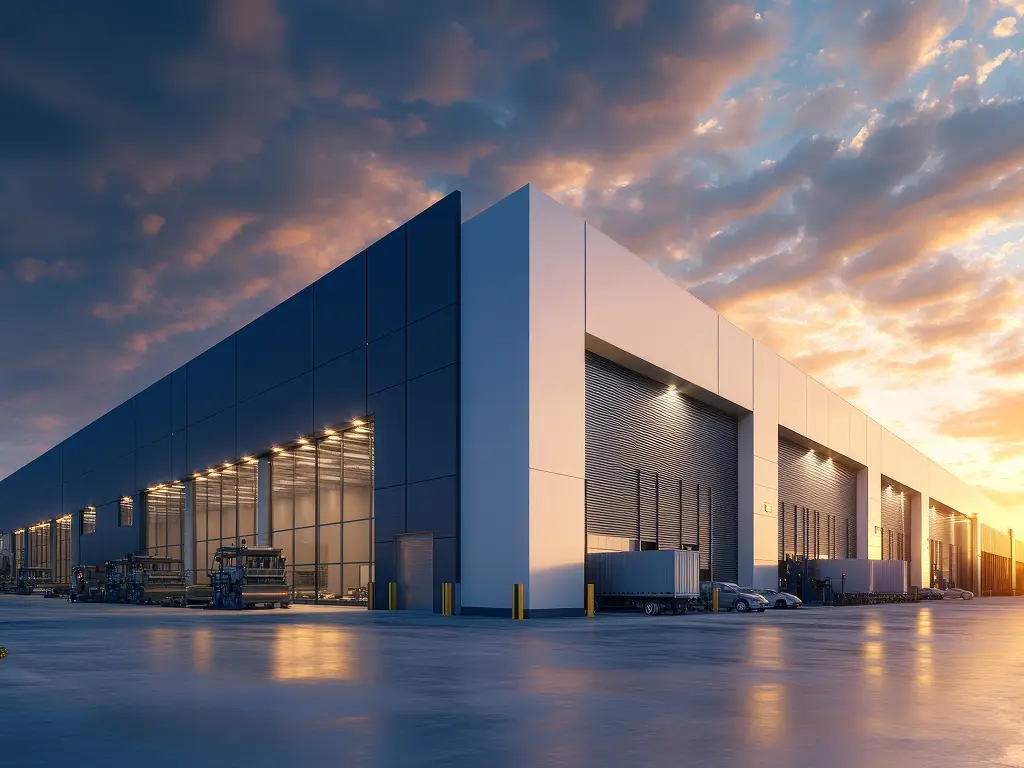
Bangalore has evolved from being just the “Silicon Valley of India” into a premier, diversified industrial hub, driven by robust infrastructure, a skilled workforce, and strategic policy support.
This location has also transformed from a public-sector manufacturing base into India’s premier high-technology, aerospace, and electronics manufacturing hub, while maintaining a robust industrial and warehousing sector. The city’s industrial development is characterized by high-value, R&D-driven manufacturing and a rapid expansion of logistics to support e-commerce, with 2025 trends highlighting increased absorption driven by manufacturing and 3PL (Third-Party Logistics).
Bangalore stands as a global deep-tech and innovation powerhouse, ranked as the 6th largest tech hub surpassing cities like Tokyo and Paris, bolstered by over 1 million tech professionals and more than 16,000 startups driving cutting-edge advancements. The region benefits from a vast skilled talent pool, with Karnataka producing over 200,000 engineers annually to fuel high-tech industries, complemented by robust government support through “plug-and-play” industrial parks, generous tax incentives, and targeted promotion of aerospace, biotechnology, and advanced manufacturing sectors. Enhanced infrastructure—including reliable power, strong digital connectivity, and improving logistics networks—supports this ecosystem, while a strategic focus on high-value manufacturing in semiconductor design, electric vehicles (EV), and aerospace positions Bangalore as a premier destination for next-generation industrial growth.
Connectivity
Road Connectivity & Logistics
Satellite Town Ring Road (STRR)
:
A 288 km, 8-lane access-controlled highway connecting key satellite towns (Hoskote, Devanahalli, Doddaballapura, Nelamangala) to major highways and bypassing city traffic.
Satellite Town Ring Road (STRR):
A 288 km, 8-lane access-controlled highway connecting key satellite towns (Hoskote, Devanahalli, Doddaballapura, Nelamangala) to major highways and bypassing city traffic.
Bengaluru Business Corridor (Peripheral Ring Road - PRR)
:
A 73 km, 8-lane expressway connecting Tumakuru Road, Bellary Road, Old Madras Road, and Hosur Road, set to begin construction in early 2026.
Bengaluru Business Corridor (Peripheral Ring Road - PRR) :
A 73 km, 8-lane expressway connecting Tumakuru Road, Bellary Road, Old Madras Road, and Hosur Road, set to begin construction in early 2026.
Bengaluru-Chennai Expressway
:
A 10-lane greenfield project starting at Hoskote, significantly reducing time to Chennai Port.
Bengaluru-Chennai Expressway :
A 10-lane greenfield project starting at Hoskote, significantly reducing time to Chennai Port.
NICE Road
:
Continues to act as a vital, high-speed connector for South and West Bengaluru.
NICE Road :
Continues to act as a vital, high-speed connector for South and West Bengaluru.
Airport Connectivity & Cargo
Kempegowda International Airport (BIAL) serves as a major global logistics gateway for Bangalore, handling 520,985 metric tonnes of cargo in 2025—a 5% year-on-year increase—bolstered by its state-of-the-art infrastructure and strategic positioning for high-value exports like electronics, auto parts, and pharmaceuticals. The airport features India’s largest greenfield domestic cargo terminal, operated by Menzies Aviation, which enhances processing efficiency and global connectivity for time-sensitive shipments. Complementing this, the AISATS BLR Logistics Park provides 370,000 square feet of Grade-A warehouse capacity right at the airport periphery, streamlining supply chain operations and offering seamless cold chain, consolidation, and distribution services for Bangalore’s thriving aerospace, biotech, and automotive sectors.
Port Connectivity
Bangalore maintains robust port connectivity despite its inland location, with Chennai Port serving as the primary major port for the region’s imports and exports, handling diverse cargo from electronics and automotive components to biotech products efficiently. New Mangalore Port acts as Karnataka’s key maritime gateway on the Arabian Sea, benefiting from significant investments in port-led development, mechanization, and capacity expansion to support growing industrial trade volumes. Dedicated freight corridors, alongside NH-66 and upgraded highways, provide seamless logistics connectivity between Bangalore and these ports, ensuring rapid transit times and cost-effective supply chain operations for manufacturing hubs in the region.
Micro Markets of Bangalore
Bangalore’s industrial markets are segmented into high-growth macro corridors, blending aerospace, electronics, automotive, biotech, and logistics with airport, metro, and expressway synergies driving 15-20% annual appreciation.
North Bangalore (Airport Corridor)
:
Devanahalli, Hebbal, Bagalur, and Yelahanka form the explosive growth hub, anchored by Kempegowda International Airport and upcoming aerospace SEZs. Devanahalli leads with attracting HAL expansions, AI clusters, and electronics parks; Hebbal (19% YoY growth) hosts Manyata Tech Park manufacturing; Yelahanka/Bagalur benefit from metro and road upgrades for MSME aerospace supply chains. Ideal for high-tech logistics with 20% projected appreciation by 2028.
North Bangalore (Airport Corridor) :
Devanahalli, Hebbal, Bagalur, and Yelahanka form the explosive growth hub, anchored by Kempegowda International Airport and upcoming aerospace SEZs. Devanahalli leads with attracting HAL expansions, AI clusters, and electronics parks; Hebbal (19% YoY growth) hosts Manyata Tech Park manufacturing; Yelahanka/Bagalur benefit from metro and road upgrades for MSME aerospace supply chains. Ideal for high-tech logistics with 20% projected appreciation by 2028.
East Bangalore (Logistics & Manufacturing)
:
Hoskote, Malur, and Whitefield dominate automotive/manufacturing with Volvo, Honda plants, and emerging data centers.
Hoskote—entry to 10-lane Bangalore-Chennai Expressway—features STRR connectivity, 300-acre Tavarekere Data Park, and double-decker metro plans (KR Puram-Hoskote), projecting 15-20% appreciation; Whitefield-Malur support logistics parks and EV assembly amid NH-75 upgrades. Vacancy low at 8-10% due to 3PL demand.
East Bangalore (Logistics & Manufacturing) :
Hoskote, Malur, and Whitefield dominate automotive/manufacturing with Volvo, Honda plants, and emerging data centers.
Hoskote—entry to 10-lane Bangalore-Chennai Expressway—features STRR connectivity, 300-acre Tavarekere Data Park, and double-decker metro plans (KR Puram-Hoskote), projecting 15-20% appreciation; Whitefield-Malur support logistics parks and EV assembly amid NH-75 upgrades. Vacancy low at 8-10% due to 3PL demand.
South Bangalore (IT & Startups)
:
Electronic City, Koramangala, and Bannerghatta Road anchor tech R&D transitioning to electronics/semiconductor fabs and biotech.
South Bangalore (IT & Startups) :
Electronic City, Koramangala, and Bannerghatta Road anchor tech R&D transitioning to electronics/semiconductor fabs and biotech.
West Bangalore (Traditional Industrial)
:
Peenya and Nelamangala remain Asia’s largest industrial clusters (1,500+ units across 1,000 acres), specializing in auto components, engineering, and textiles undergoing Grade-A modernization. Peenya’s ₹35-45/sq.ft./month warehouses attract EV suppliers; Nelamangala benefits from Tumkur Road upgrades. Modernization via Karnataka Industrial Policy yields 10-12% returns amid 5% vacancy.

West Bangalore (Traditional Industrial) :
Peenya and Nelamangala remain Asia’s largest industrial clusters (1,500+ units across 1,000 acres), specializing in auto components, engineering, and textiles undergoing Grade-A modernization. Peenya’s ₹35-45/sq.ft./month warehouses attract EV suppliers; Nelamangala benefits from Tumkur Road upgrades. Modernization via Karnataka Industrial Policy yields 10-12% returns amid 5% vacancy.
Major Industries & Industrial Activities
Bangalore’s industrial landscape thrives across high-value, technology-driven sectors, positioning it as India’s premier hub for innovation and manufacturing.
Automotive & Electric Vehicles
:
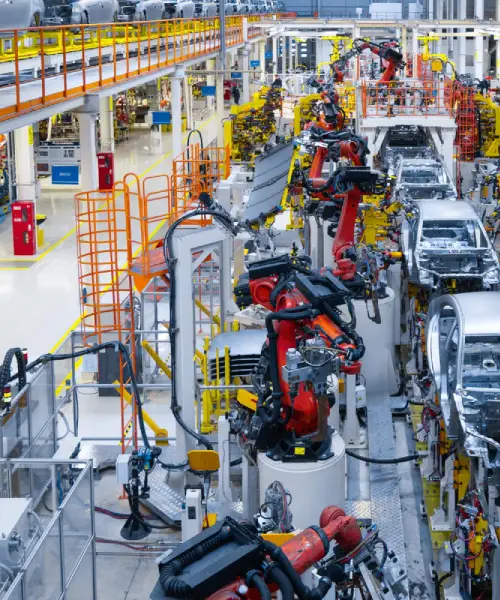
Major OEMs including Volvo Eicher, Honda, and Toyota maintain large manufacturing plants, while TVS and Hero MotoCorp produce two-wheelers. Bangalore leads India’s EV transition with Ather Energy, Ola Electric, and River scooters scaling gigafactories; the Karnataka EV Policy targets 25% penetration by 2027.
Automotive & Electric Vehicles :
Major OEMs including Volvo Eicher, Honda, and Toyota maintain large manufacturing plants, while TVS and Hero MotoCorp produce two-wheelers. Bangalore leads India’s EV transition with Ather Energy, Ola Electric, and River scooters scaling gigafactories; the Karnataka EV Policy targets 25% penetration by 2027.
Biotechnology & Pharmaceuticals
:
“Genome Valley of the South” hosts Biocon, Serum Institute R&D, and 800+ biotech firms across 5,000 acres of dedicated parks. Bangalore produces 40% of India’s vaccines and leads in CAR-T cell therapies, biosimilars, and precision medicine with ₹25,000 crore annual turnover.
Biotechnology & Pharmaceuticals :
“Genome Valley of the South” hosts Biocon, Serum Institute R&D, and 800+ biotech firms across 5,000 acres of dedicated parks. Bangalore produces 40% of India’s vaccines and leads in CAR-T cell therapies, biosimilars, and precision medicine with ₹25,000 crore annual turnover.
Aerospace & Defense
:
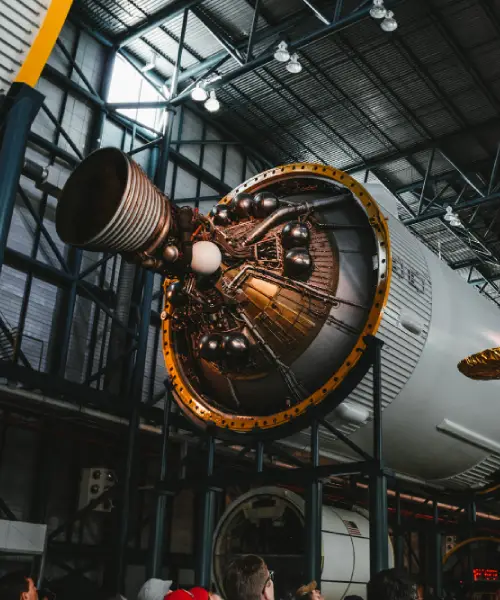
National Aerospace Labs, HAL, and multiple MSMEs.
Aerospace & Defense :
National Aerospace Labs, HAL, and multiple MSMEs.
Information Technology (IT) & Electronics
:
R&D, software, and semiconductor design.
Information Technology (IT) & Electronics :
R&D, software, and semiconductor design.
Logistics & Data Centres
:
Rapidly increasing with massive investments in Data Centre Parks.
Logistics & Data Centres :
Rapidly increasing with massive investments in Data Centre Parks.
Strategic Infrastructure Development
KWIN City (Knowledge, Well-being, and Innovation City)
:
A 2,000-acre project near Bengaluru designed for high-growth sectors like AI, semiconductors, aerospace, and healthcare.
KWIN City (Knowledge, Well-being, and Innovation City) :
A 2,000-acre project near Bengaluru designed for high-growth sectors like AI, semiconductors, aerospace, and healthcare.
Infrastructure Investment
:
Over ₹15,000 crore has been allocated for various infrastructure projects, including road networks, flyovers, and elevated corridors to reduce traffic congestion.
Infrastructure Investment :
Over ₹15,000 crore has been allocated for various infrastructure projects, including road networks, flyovers, and elevated corridors to reduce traffic congestion.
Aerospace & Defense Park
:
A 1,000-acre SEZ near Kempegowda International Airport is dedicated to the aerospace industry.
Aerospace & Defense Park:
A 1,000-acre SEZ near Kempegowda International Airport is dedicated to the aerospace industry.
Vertical Growth Policy
:
The government has increased the Floor Area Ratio (FAR) up to 5.2 in industrial zones, allowing for taller, more efficient factory buildings to overcome land scarcity.
Vertical Growth Policy
The government has increased the Floor Area Ratio (FAR) up to 5.2 in industrial zones, allowing for taller, more efficient factory buildings to overcome land scarcity.
Satellite Town Ring Road (STRR)
:
This project aims to improve connectivity to surrounding industrial clusters, including Devanahalli, Doddaballapur, and Bidadi.
Satellite Town Ring Road (STRR) :
This project aims to improve connectivity to surrounding industrial clusters, including Devanahalli, Doddaballapur, and Bidadi.
Industrial land for sale in Bangalore supports the growth of IT hardware, auto, and engineering clusters near Peenya and Hosur, creating a strong foundation for manufacturing and technology-driven industries. Options include warehouse for sale in Bangalore, catering to companies seeking long-term storage solutions, and flexible industrial shed for rent in Bangalore, designed to meet diverse operational needs. Together, these facilities strengthen Bangalore’s position as a hub for industrial expansion and modern infrastructure.