
Cold Storage
All of Industrial Real Estate.
One Name – All Warehouses.
Cold Storage Warehouses for Food & Pharma
Cold storage facilities is a specialized facility or unit designed to preserve temperature-sensitive, perishable goods at controlled low temperatures and humidity levels to enhance shelf life and prevent degradation or contamination. These facilities act as a critical part of the supply chain for industries such as food processing, agriculture, pharmaceuticals, and biotechnology.
Cold storage is basically a term used for temperature controlled storage that includes chiller and frozen storage facilities, usually used to store food, Pharma products, chemicals or pharmaceuticals. “Cold storage” could be something as small as a walk-in cooler or freezer or a large facility with bulk cold storage or palletized storage in chambers
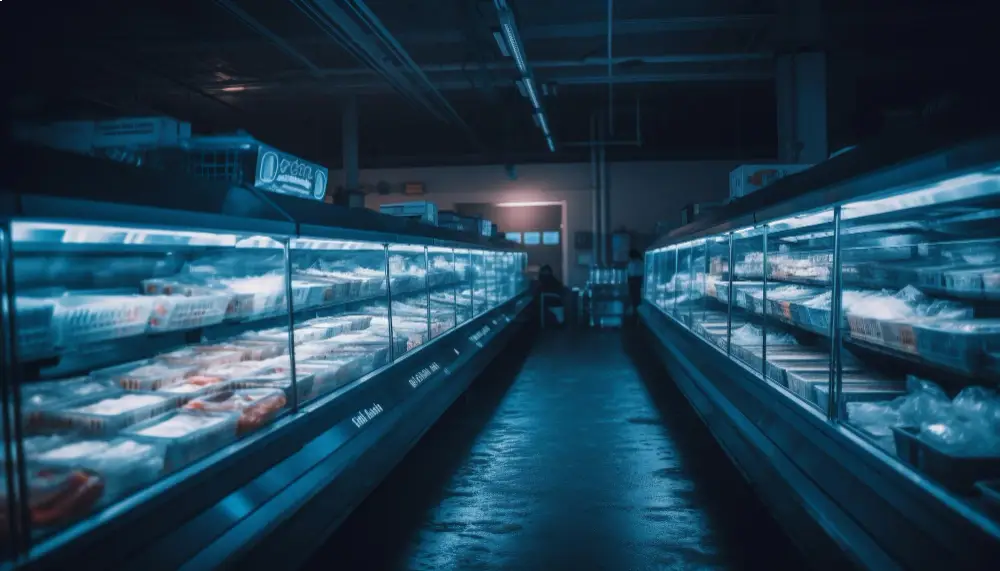
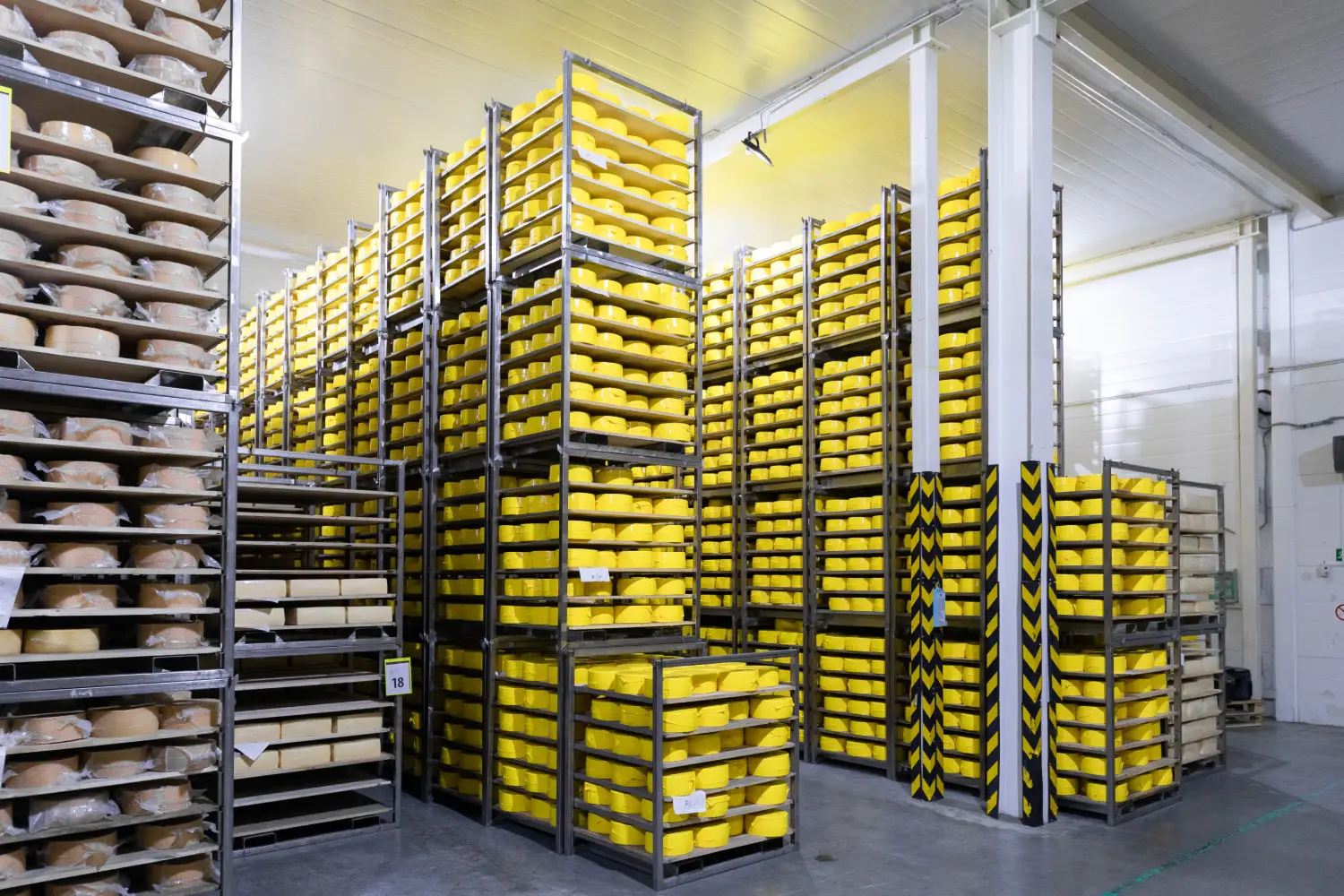
Temperature‑Controlled Facilities Across Chennai’s Industrial Hubs
Businesses across food manufacturing, FMCG, and life sciences sectors in Chennai rely on a cold storage warehouse in Chennai to maintain product integrity across inbound, storage, and outbound stages of the supply chain. Whether you require a compact chiller unit or a large-format Cold Storage Facility In Chennai with multi-chamber configurations, AllWarehouses connects you with verified, operational-ready options across the city’s key industrial corridors.
Industries handling large volumes of fresh produce, frozen goods, or export cargo benefit most from bulk cold storage infrastructure designed with high-capacity racking, ammonia or Freon refrigeration systems, and automated inventory controls. Companies in pharmaceuticals, biotechnology, and agro-processing looking for cold storage for lease can access flexible tenures with options ranging from single-temperature chambers to controlled atmosphere rooms suited to their specific compliance requirements. AllWarehouses provides end-to-end support for locating, evaluating, and leasing cold storage space across Sriperumbudur, Redhills, Gummidipoondi and all major Chennai industrial micro-markets.
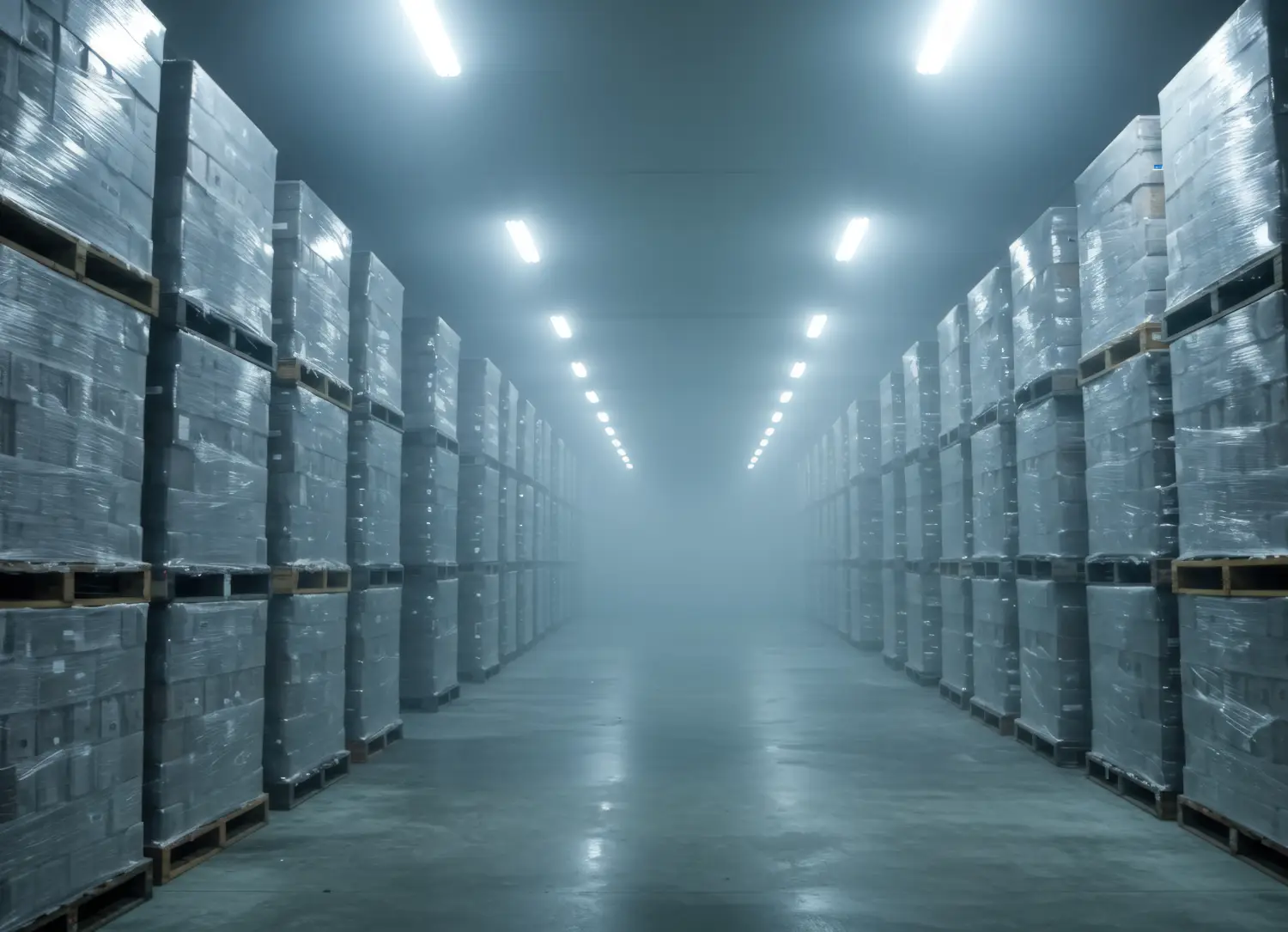
Cold Storage Rentals with Advanced Refrigeration Systems
Finding the right cold storage for lease can help businesses safely manage products that require consistent temperature control throughout storage and distribution.The cold storage rent price varies based on factors such as warehouse size,cooling technology, storage capacity, and lease duration.Modern facilities are built to support industries including food processing, healthcare,retail and logistics with reliable temperature management.Businesses can choose from flexible storage solutions that match their operational needs and inventory volumes. A well-equipped cold storage warehouse improves product safety, minimizes wastage, and ensures smooth supply chain operations.
Chiller vs. Freezer
The primary difference between these units is the internal temperature they maintain and their intended purpose
Chiller (Cooler)
Maintains temperatures just above freezing, typically between 0 degree Celsius and +8 degree Celsius. Its goal is to slow down bacterial growth and metabolic reactions without freezing the product, keeping items like dairy, fruits, and vegetables fresh for short-to-medium terms.
Freezer
Maintains sub-zero temperatures, typically -18 degree Celcius or lower. It is used for long-term storage of items like meat, seafood, and ice cream by converting their water content into ice, which virtually halts metabolic and enzymatic activity.
How Products are Stored
Modern cold storage facilities use several methods to organize and preserve goods:
Racking Systems
Products are often stored on pallets within subdivided racks to maximize space and allow for organized inventory. Advanced systems include remote-controlled shuttle racking and robotic mobile racking.
Airflow Management
Products must be stacked so that cooled air from the evaporator can spread homogeneously. Blocking airflow can lead to uneven cooling and reduced product quality.
Independent Chambers
In multi-commodity facilities, different products are stored in separate, independently controlled chambers to prevent one commodity’s requirements (like high humidity for vegetables) from affecting another (like dry conditions for others).
Controlled Atmosphere (CA)
Some specialized rooms regulate not just temperature but also gases like oxygen, carbon dioxide, and nitrogen to significantly extend the shelf life of fresh produce by slowing down the ripening process.
Ammonia vs. "No Ammonia" (Freon/Synthetic) Systems
The choice of refrigerant depends on the scale of the operation and safety requirements.
Ammonia (NH3)
Widely used in large-scale industrial cold storage because it is highly energy-efficient, cost-effective for bulk operations, and eco-friendly (zero global warming potential). However, it is toxic and can be hazardous if leaked, requiring strict safety measures.
No Ammonia (Freon/Synthetic)
These systems use refrigerants like Freon, which are generally safer for personnel (less toxic) and easier to maintain. They are preferred for small-to-medium-sized facilities and retail settings. While safer to handle, some older synthetic refrigerants are being phased out due to environmental regulations.
| Product Category | Common Items | Typical Temperature Range |
|---|---|---|
| Fresh Produce (Chill) | Apples, potatoes, carrots, dairy (milk/cheese) | 0 degree to +10 degree celcius |
| Frozen Foods | Ice cream, frozen vegetables, ready-to-eat meals | -18 degree celsius to -25 degree celsius |
| Meat & Seafood | Fresh beef, pork, fish, poultry | -2 degree celsius to +4 degree celsius (chilled) or -18 degree celsius (frozen) |
| Pharmaceuticals | vaccines, Drugs, Biologics, lab specimens | +2 degree celsius to +8 degree celsius or down to -80 degree celsius (ultra low) |
Serving Locations around Chennai
- Koyambedu
- Thiruverkadu & Velappanchavadi
- Madhavaram & Puzhal
- Minjur
- Sriperambudur
- Oragadam
- Ambattur
- Poonamallee
- Vanagaram
Frequently Asked Questions
1 What temperature zones (chiller vs freezer) should a cold storage facility support for pharma and food clients?
Cold storage runs three temperature bands. The chiller band covers +5 to +20°C for pulses, pharma products, paint, lithium batteries and rubber goods, and 0 to +5°C for dairy, fruits and vegetables. The freezer band runs 0 to −20°C for meat and frozen products, including ice trays. Pharma sits in the plus band; frozen food needs the minus band.
2 What backup power capacity is essential to prevent temperature excursions during grid outages?
100% generator backup is essential — a basic specification of every cold storage unit, because refrigeration is a continuous load and any excursion spoils perishable stock. The standard minimum provision is 0.5 kVA per 1,000 sq ft. Size the genset at 0.8 power factor: a 100 kVA set delivers roughly 80 kW. Battery-backed alarms and emergency lighting complete it.
Begin Your Warehouse Journey
Planning a warehouse, factory, or industrial asset? Tell us what you need, and All Warehouses will help you move from land and planning to approvals, development, management, and exits, with clear execution.